What sets them apart—and why they must work together
A brand and an employer brand are often discussed as two separate areas—one belonging to the marketing department and the other to HR—but in practice, it is the combination of both that determines how an organization is perceived. A strong brand alone is not enough today, and an employer brand cannot stand on its own either.
In this webinar, we break them both down, from the visual expression to how you communicate them. We explore why the synergy between the brand and the employer brand is crucial—and how you, through closer collaboration between HR and marketing, can create a clear, credible, and cohesive image of who you are, both externally and internally.
A free webinar for those who want to strengthen both their brand and employer brand—and make them work together.
In this webinar, we cover:
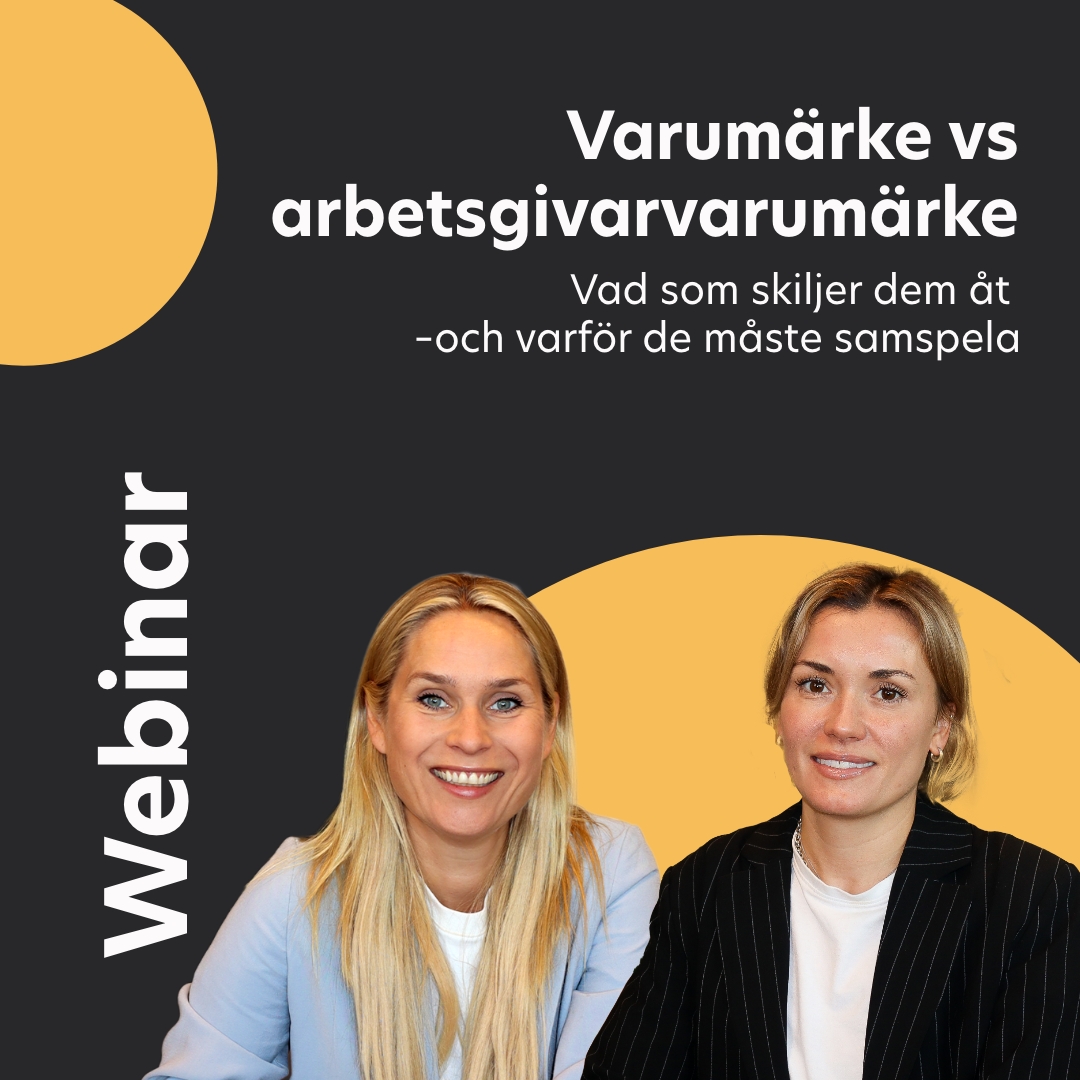
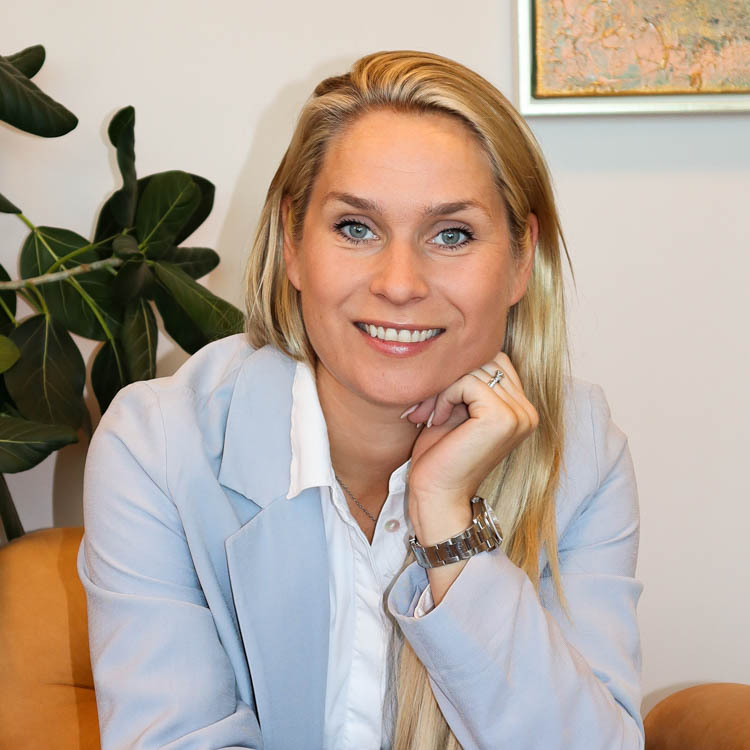
Karolina is Head of Marketing at SMW Group and is responsible for strategic partnerships with platforms such as Meta, LinkedIn, TikTok, Reddit, Snapchat, and YouTube.


Elin is an Art Director at SMW Group and specializes in branding, visual identities, and strategic design.
Tips and tricks from SMW Group and Teamtailor.
Attracting candidates today requires more than just posting a job ad. In fact, it takes an average of up to 40 touchpoints for a passive scroller to take the step and become an active candidate. That is why we need to start building relationships and generating interest long before a recruitment need arises.
In this webinar, we go through how you can take control of the entire candidate journey, from the first interaction to an actual application.
Together with Teamtailor, the Nordic region's largest platform for recruitment and employer branding, we share our best recommendations for attracting and converting the right talent.
What you'll get: Tips on how to optimize your awareness strategies and turn curiosity into action. How to create career pages that actually convert. Concrete examples from successful cases!

Did you know that today's students are not primarily looking for the right role, but the right employer? At the same time, their behavior is changing rapidly, both digitally, financially and emotionally.
How can you, as an employer, meet the new expectations?
Sign up for the webinar and learn valuable insights from Orbi's latest student report. We go deep into what actually matters for tomorrow's talent and how you as an employer can stay ahead in the hunt for the candidates of the future.
In the webinar we will go through: